
01 / STRUCTURAL ANALYSIS
Equipment & Support FEA
Evaluate equipment frames, skids, supports, housings and pressure-related components under defined mechanical and operating loads, with appropriate boundary conditions and acceptance criteria.

Support equipment design and performance evaluation with structural analysis, thermal-fluid simulation and connected engineering software workflows.
Energy and process equipment can face pressure, temperature gradients, vibration, thermal cycling, fluid loads and complex support conditions. Engineering teams need to understand the response of individual components and integrated systems while balancing performance, reliability and maintainability.
Benedes Engineering helps teams explore CAD, FEA, CFD and fluid-system simulation tools for process equipment, energy systems and supporting mechanical infrastructure.

Choose the right combination of engineering software and technical services to investigate design performance, improve confidence and support your development workflow.
Evaluate equipment frames, skids, supports, housings and pressure-related components under defined mechanical and operating loads, with appropriate boundary conditions and acceptance criteria.

Investigate temperature fields, heat transfer and thermal expansion effects in equipment exposed to operating temperature gradients or thermal cycles.

Study pressure drop, flow distribution, transient system behaviour and thermal-fluid performance in suitable process systems and equipment.

Explore modal behaviour, cyclic loads and fatigue-sensitive areas in equipment and supporting structures where data and analysis scope permit.

Support component design, assemblies, drawings, design changes and preparation of engineering models for analysis and review.
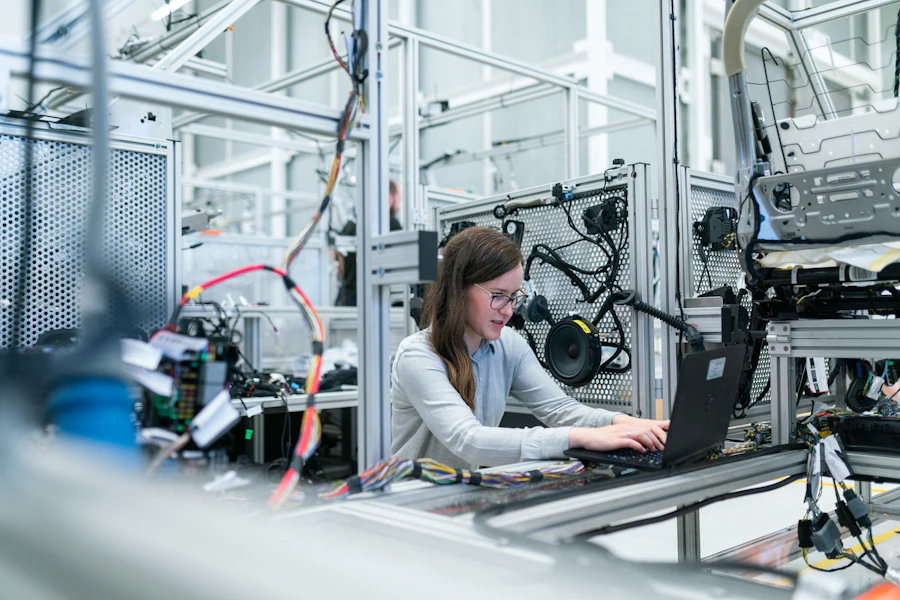
Explore appropriate software for CAD, FEA, CFD and flow systems with selection guidance, demonstrations, implementation and training.
Our software and simulation capabilities can support a range of mechanical, thermal and fluid engineering problems. The exact scope depends on component details, operating conditions, available data and project requirements.
 Process Skids & Packages
 Pressure Equipment & Vessels
 Power Generation Systems
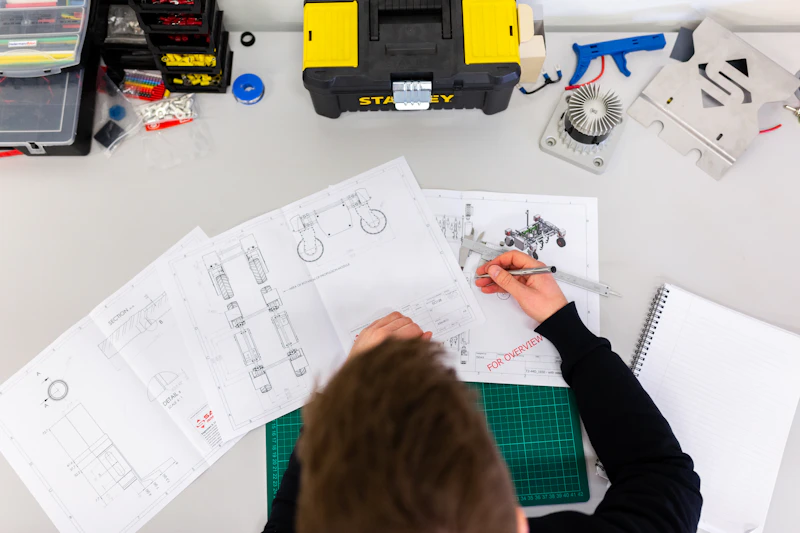 Industrial Piping Networks
 Heat Exchangers & Coolers
 Equipment Supports & Frames
 Fluid Handling Systems
 Energy Conversion Equipment
Modern product development benefits when geometry, simulation models and engineering decisions are connected. Benedes can help you explore software suited to your design and analysis needs, including tools for CAD, structural analysis, computational fluid dynamics and lifecycle collaboration.
As a Siemens-authorized Value-Added Channel Partner, Benedes supports customers with Siemens Digital Industries Software products, alongside selected complementary engineering solutions.
Every project has different loads, constraints, materials, operating environments and acceptance criteria. We begin by understanding your objective and then discuss an appropriate software, support or simulation approach.
A structured workflow helps align the analysis or software solution with your design intent and project expectations.
Discuss the product, system, engineering question and key concerns.
Review available geometry, materials, operating conditions and criteria.
Select a suitable software workflow or analysis scope.
Review results, assumptions, sensitivities and areas needing attention.
Discuss findings and next steps for design iteration or team enablement.
Simulation and connected engineering tools can help teams identify issues earlier and evaluate design options before committing to expensive physical changes.
Investigate performance questions during design development.
Compare options and focus physical testing where it adds value.
Connect design and simulation with repeatable review practices.
Support engineers with suitable tools, guidance and training.
We can discuss structural and thermal studies for equipment and supports. Any code-compliance or certification-related scope must be defined against the applicable standard and reviewed by qualified responsible engineers.
Fluid-system and CFD tools may be used to investigate flow distribution, pressure loss and system behaviour, depending on the network and data available.
Thermal and structural workflows can help evaluate temperature fields and resulting expansion or stress when material properties, thermal boundary conditions and constraints are defined.
A non-sensitive summary of the equipment, engineering question, operating conditions, software currently used and desired outputs is a good starting point.
Whether you need engineering software, simulation support or technical guidance, let’s discuss the problem and identify a practical next step.